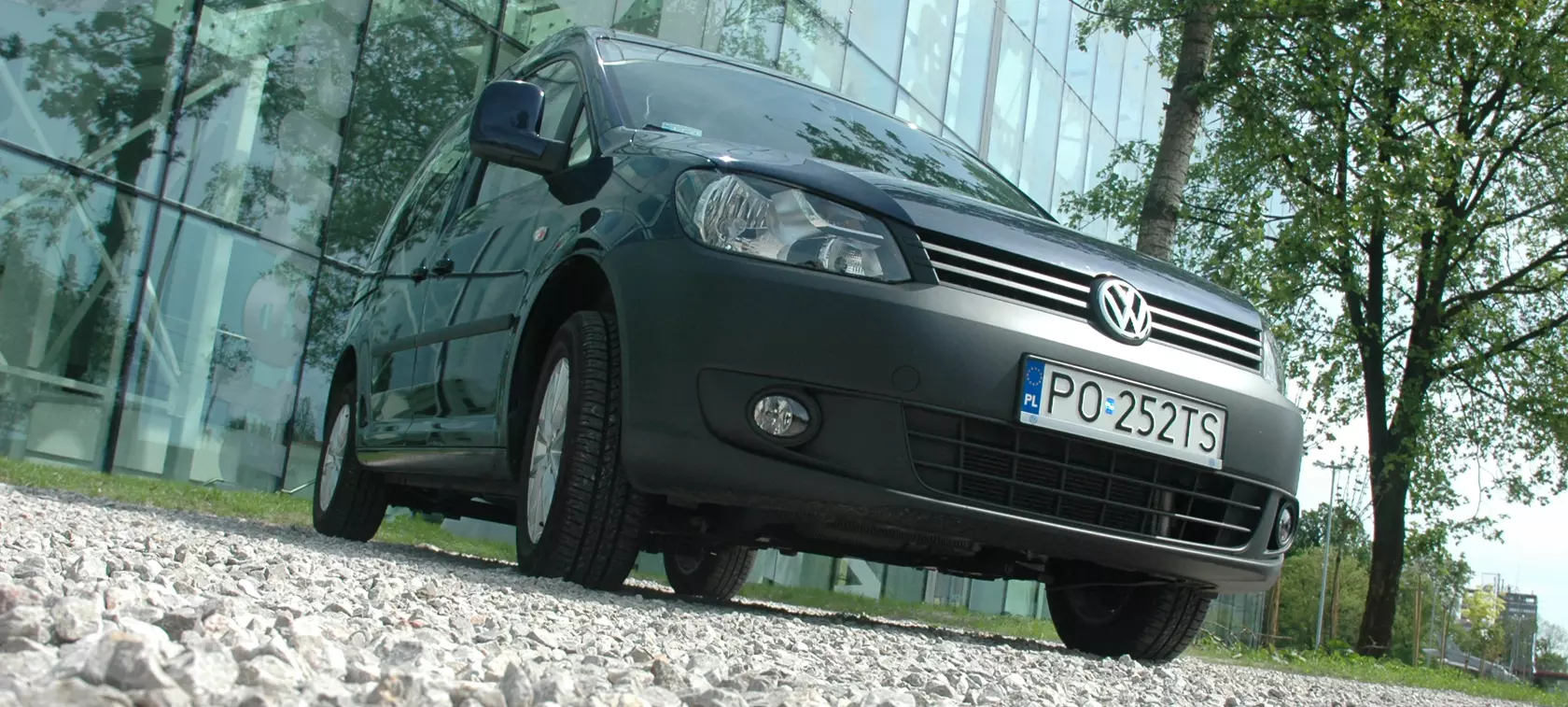
 © gazeo.com
 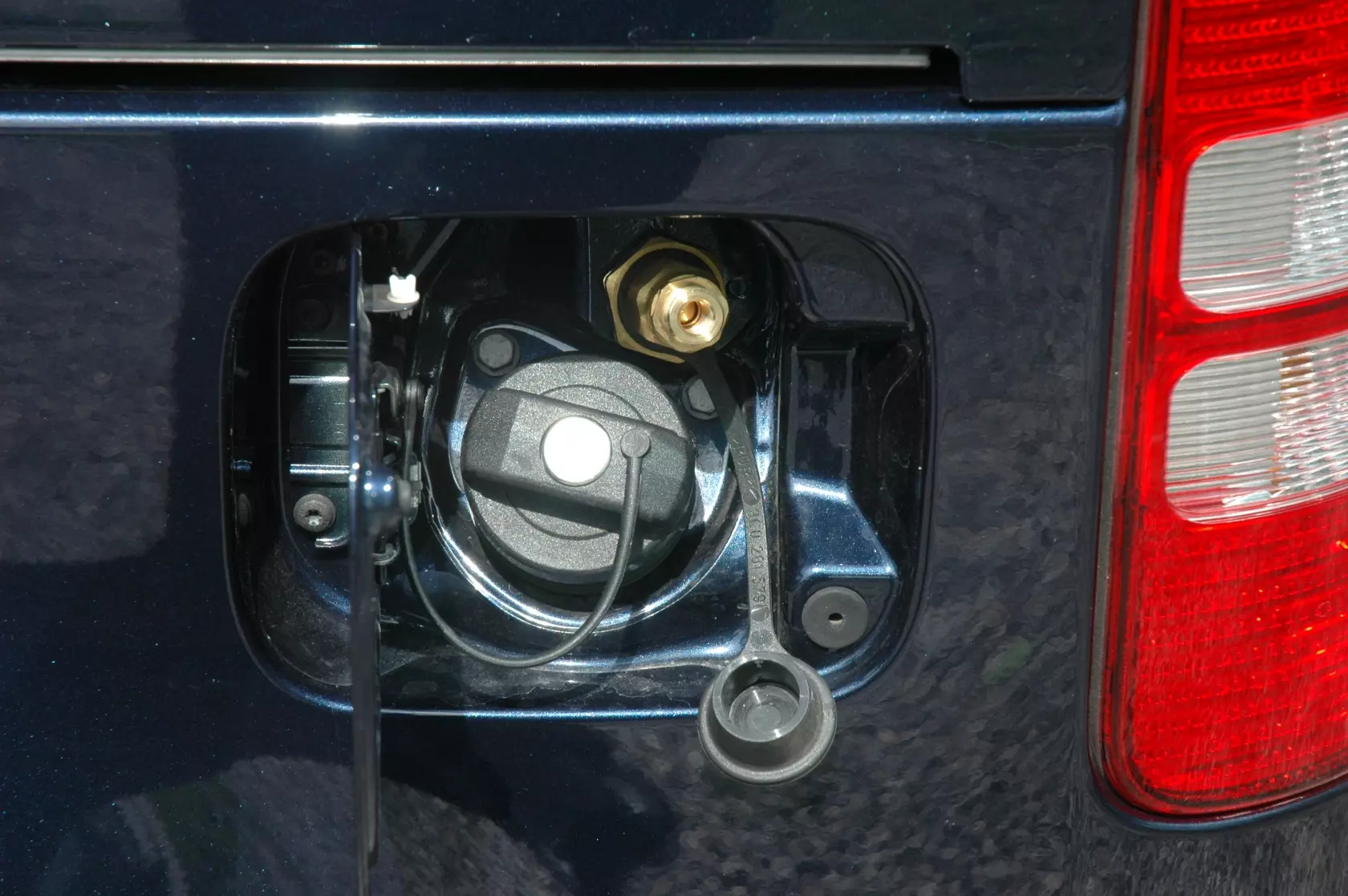 The LPG filler valve has been placed under the petrol filler flap. The adapter is not screwed into, but onto the valve, which is easier
 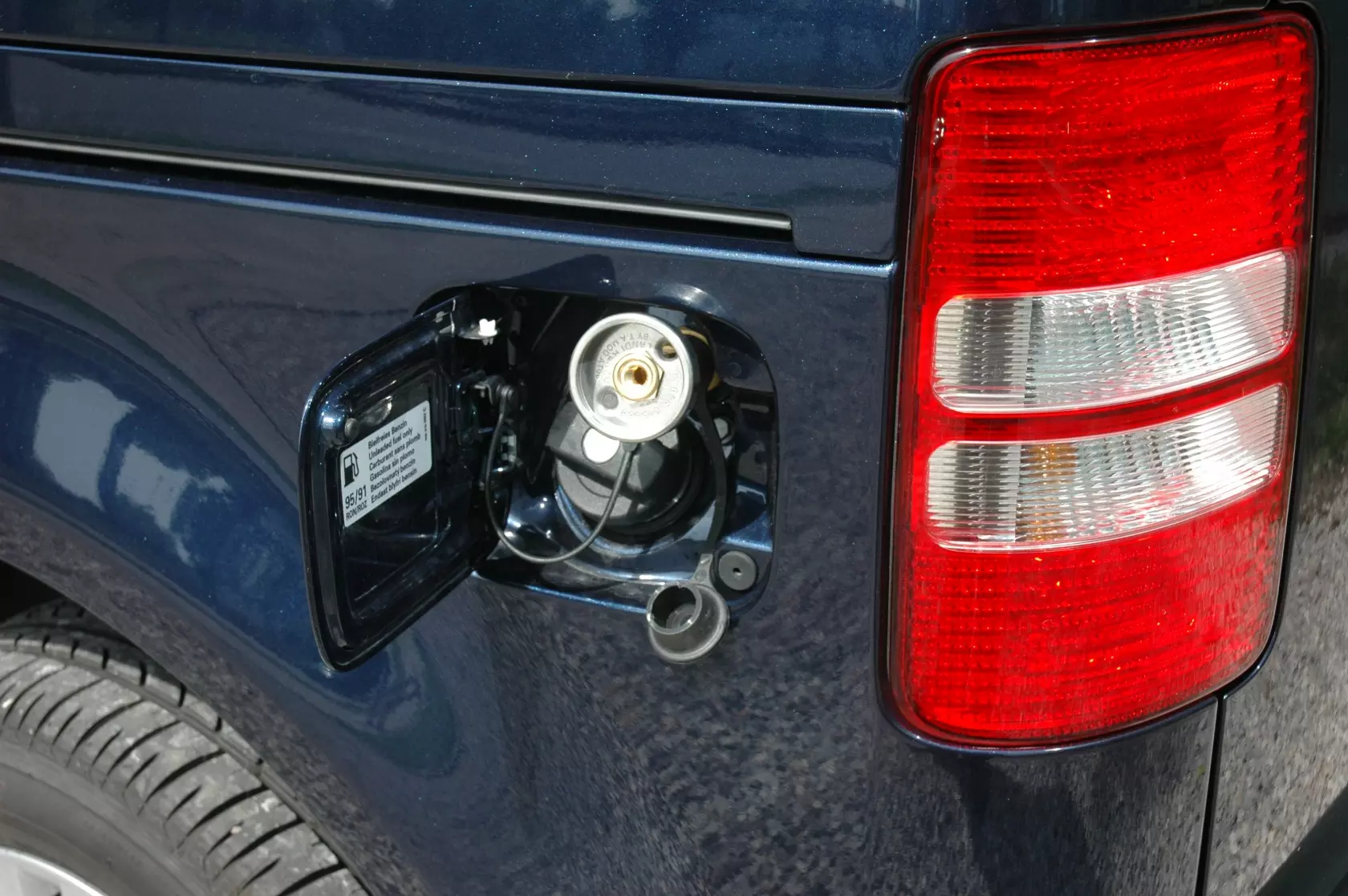 Unfortunately, the adapter cannot be left under the flap for good - there is no sufficient room
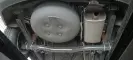
 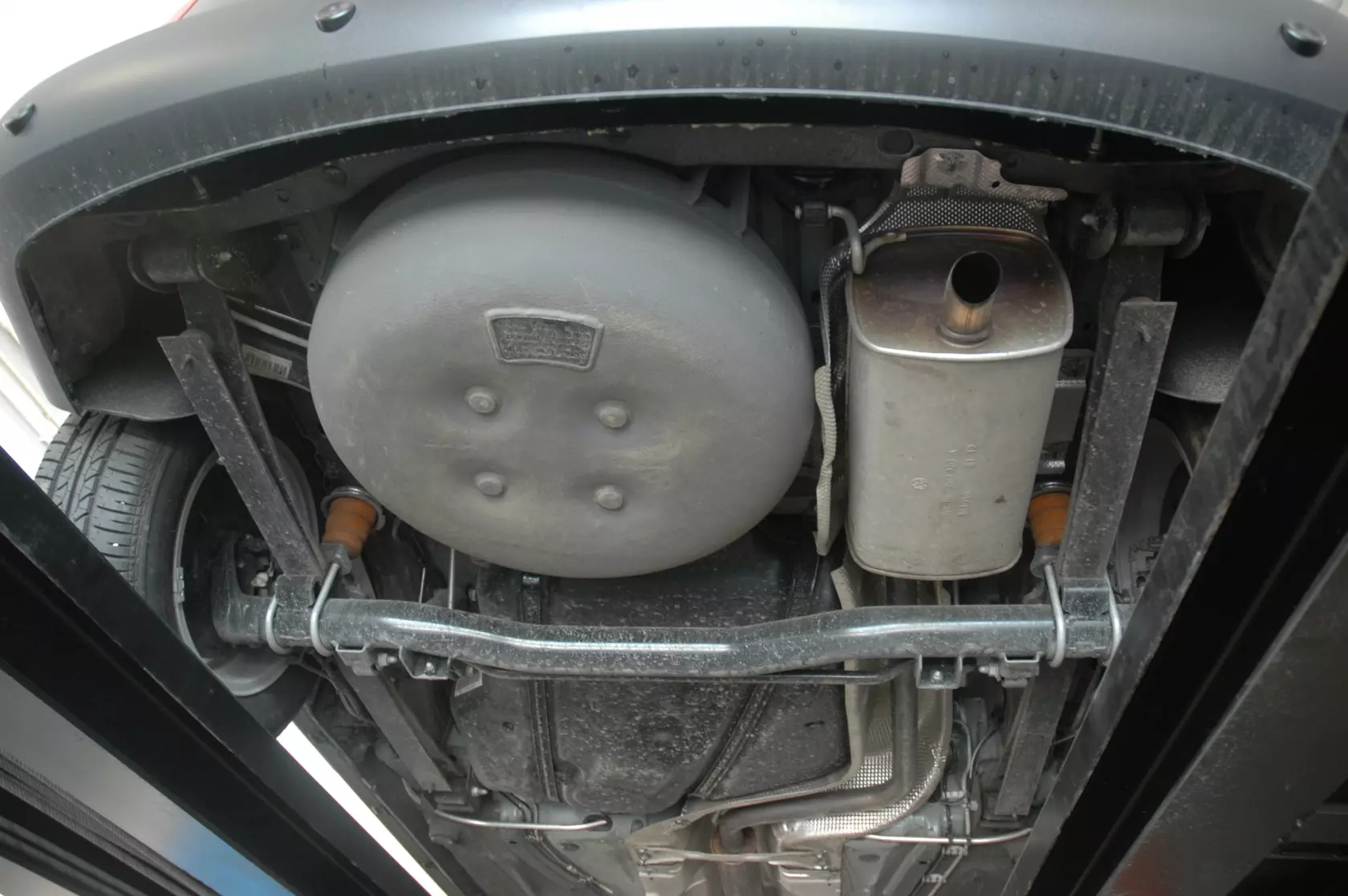 The tank has been separated from the exhaust with a thermal deflector
 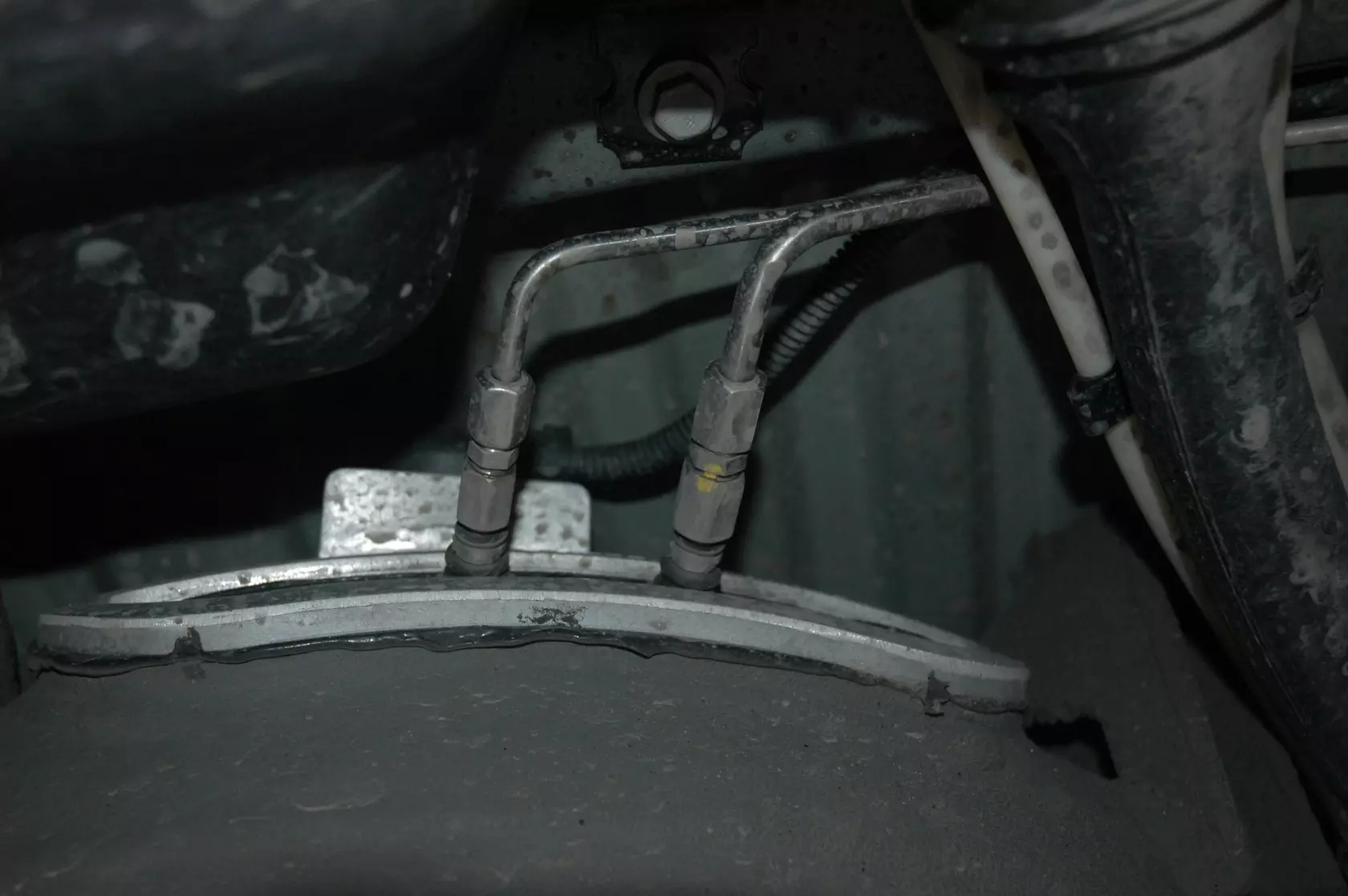 Dutch fittings are rarely seen in Poland, but after all the Caddy - in spite of being made in Poland - is a German car
 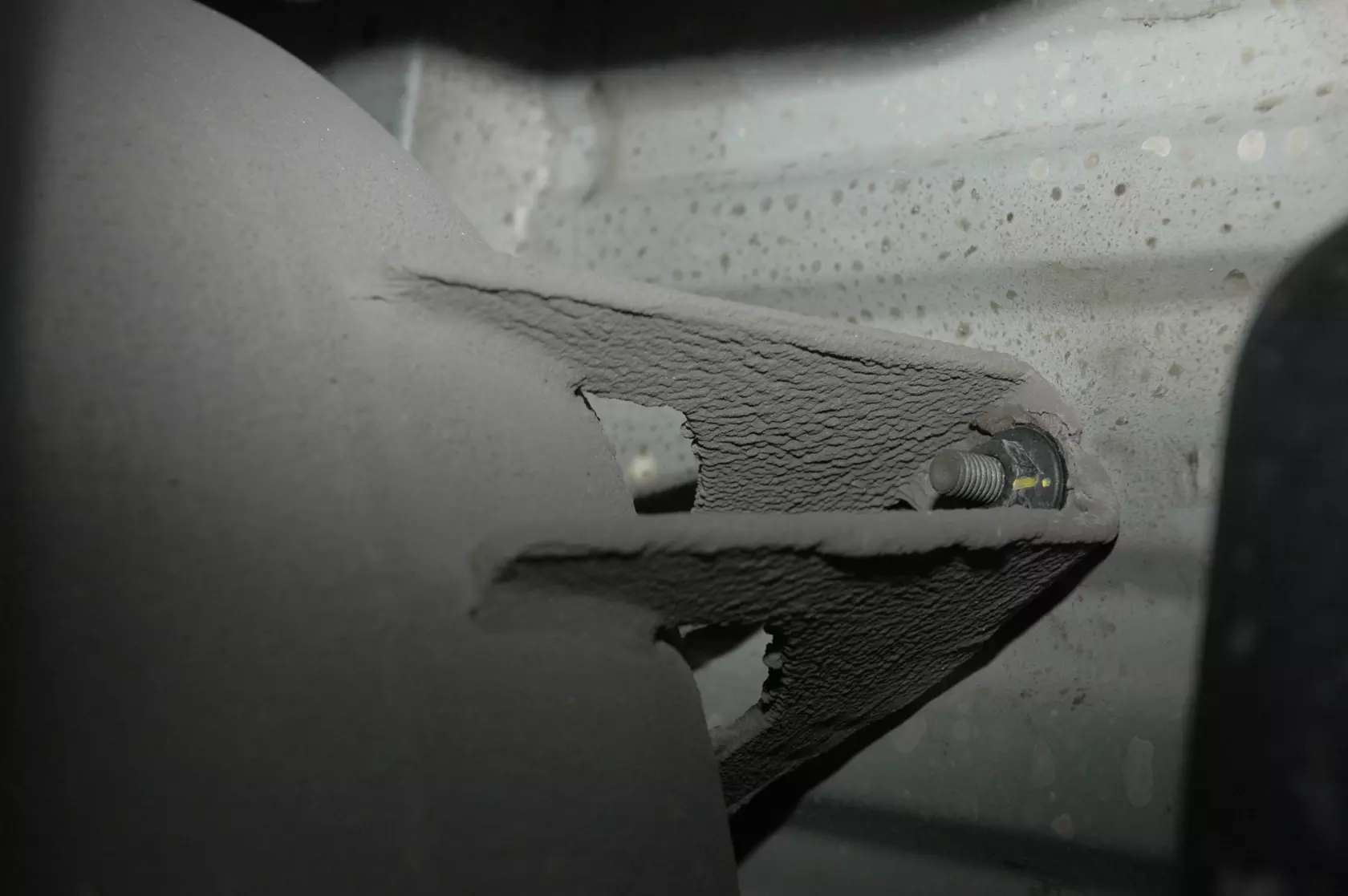 Those brackets sure look trustworthy
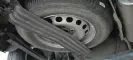
 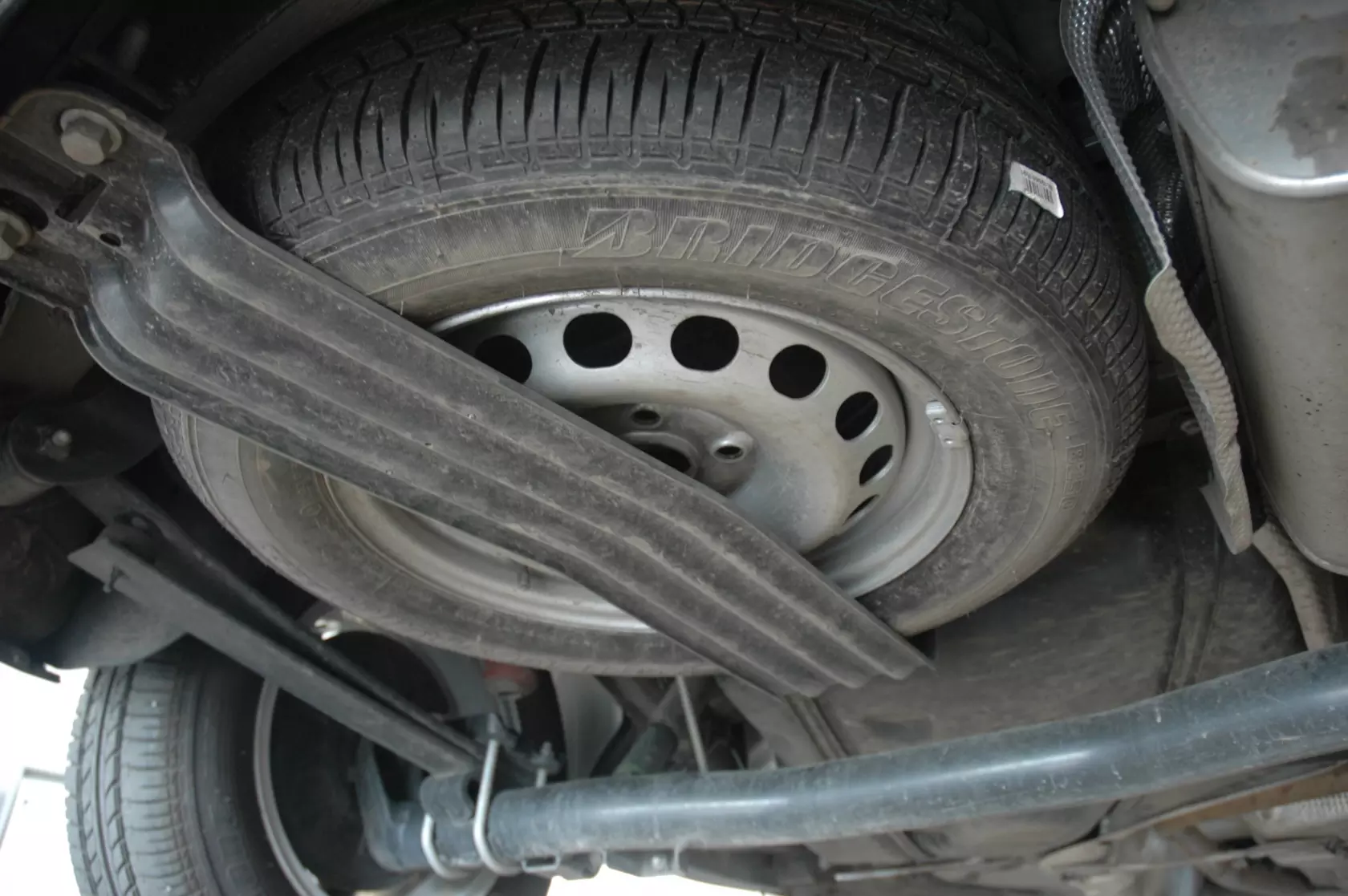 ... and make the wheel-holding bar (in monofuel models) redundant. Doomed is he who needs to use the spare...
 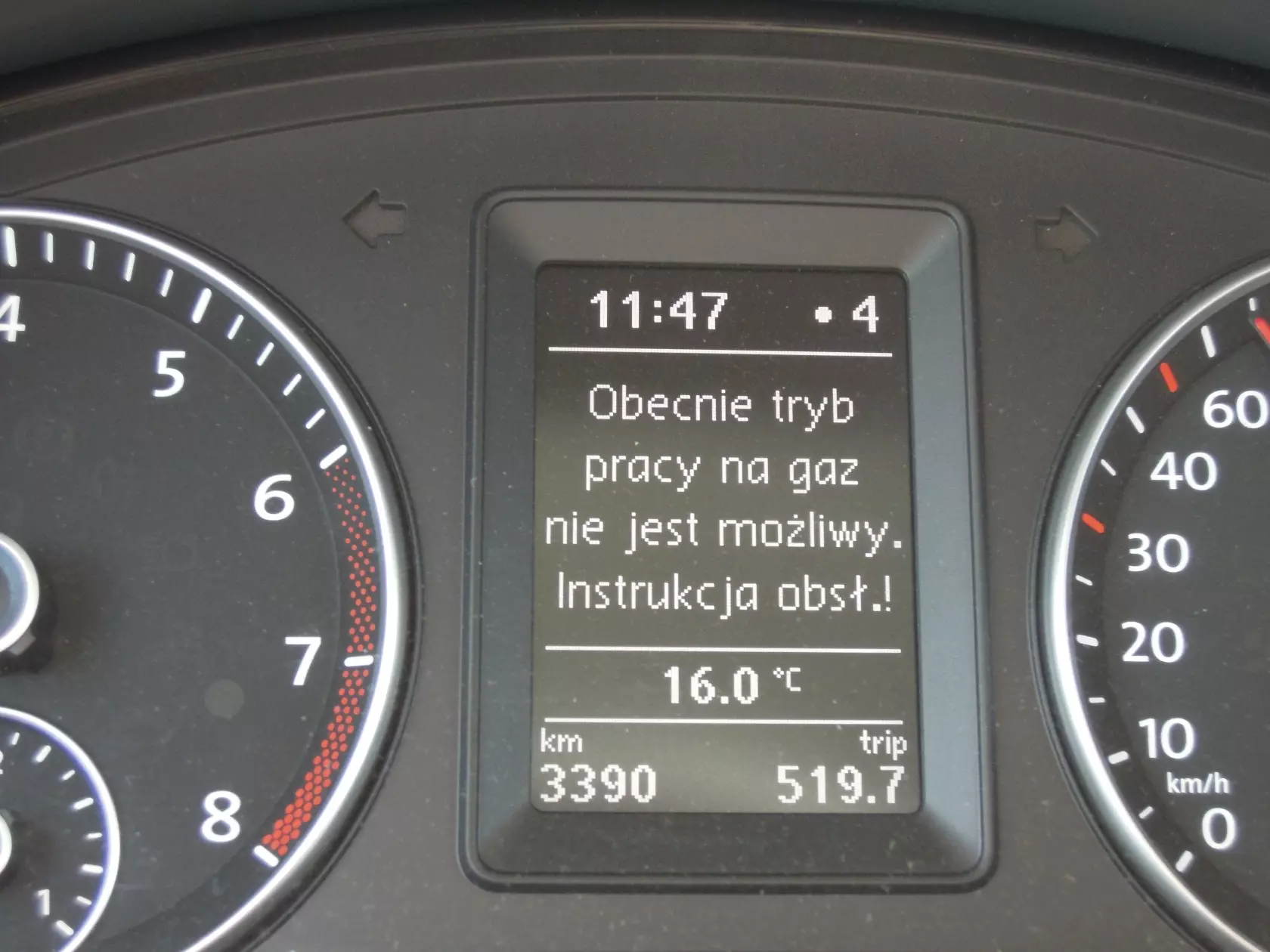 Until the engine warms up, you will not force it to switch to LPG
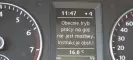
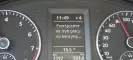
 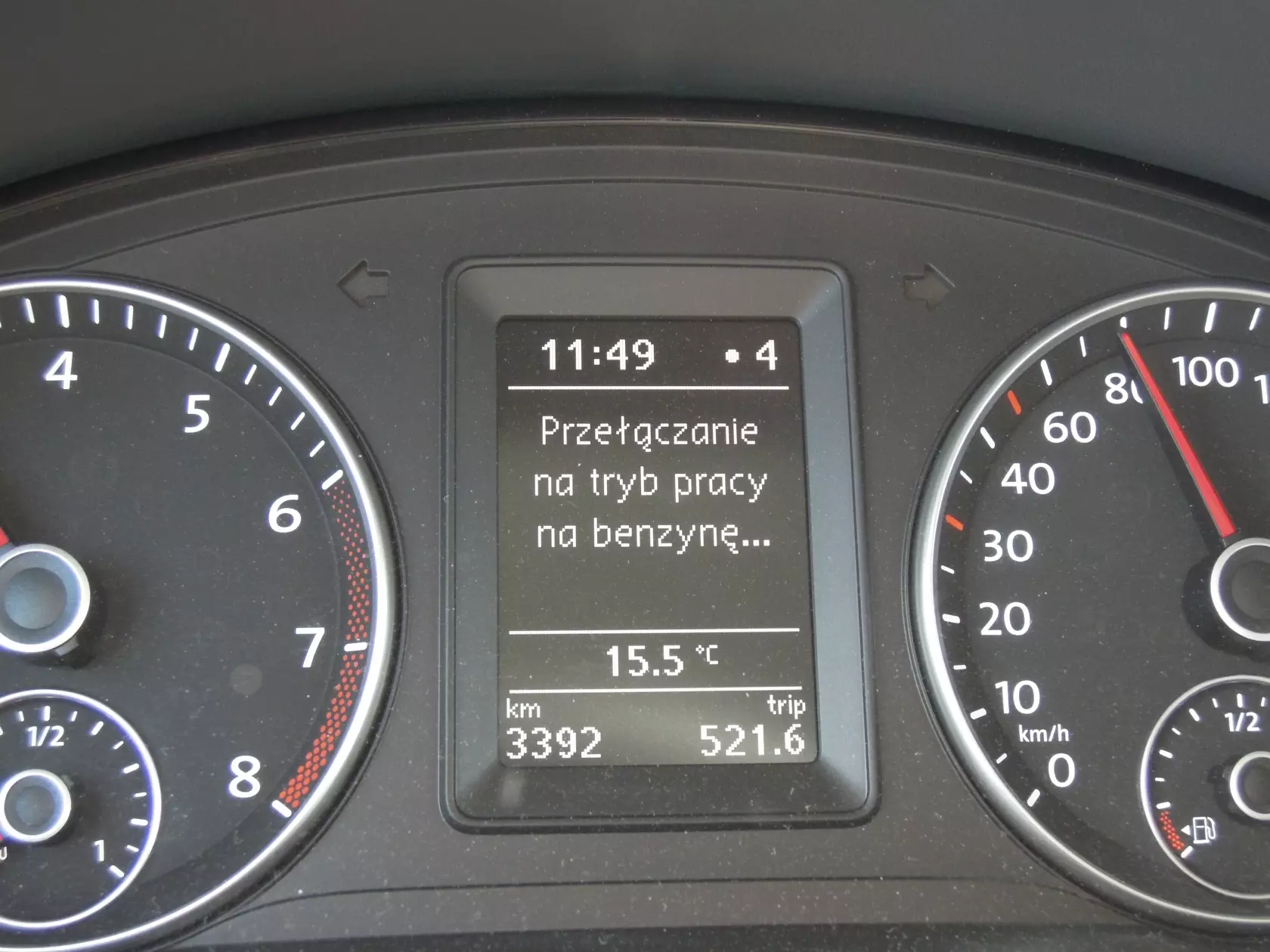 The trip computer displays information concerning fuel used in real time
 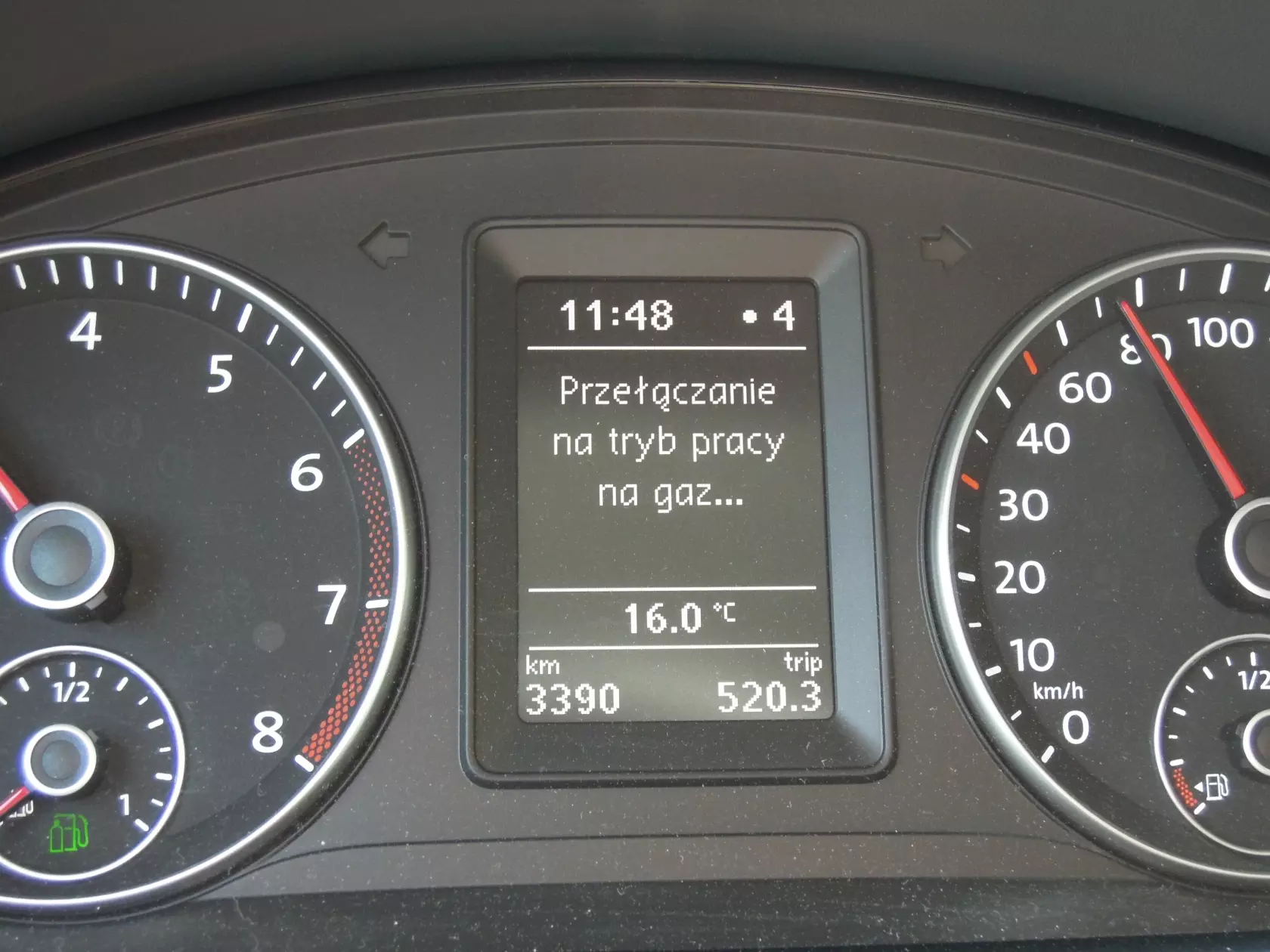 It does so while in progress...
 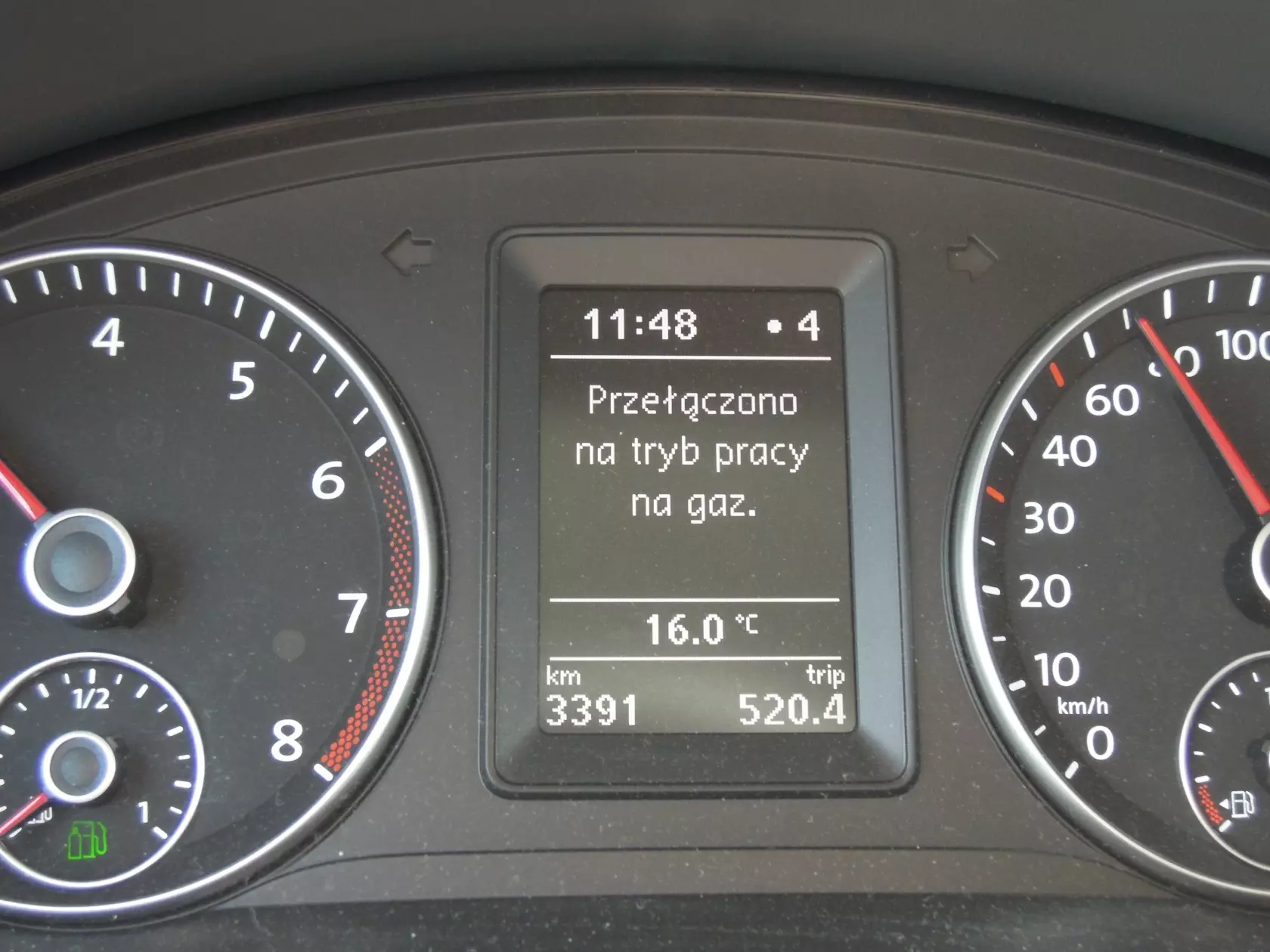 ... and once the procedure is complete. The information will disappear in a moment, the green icon will remain on
 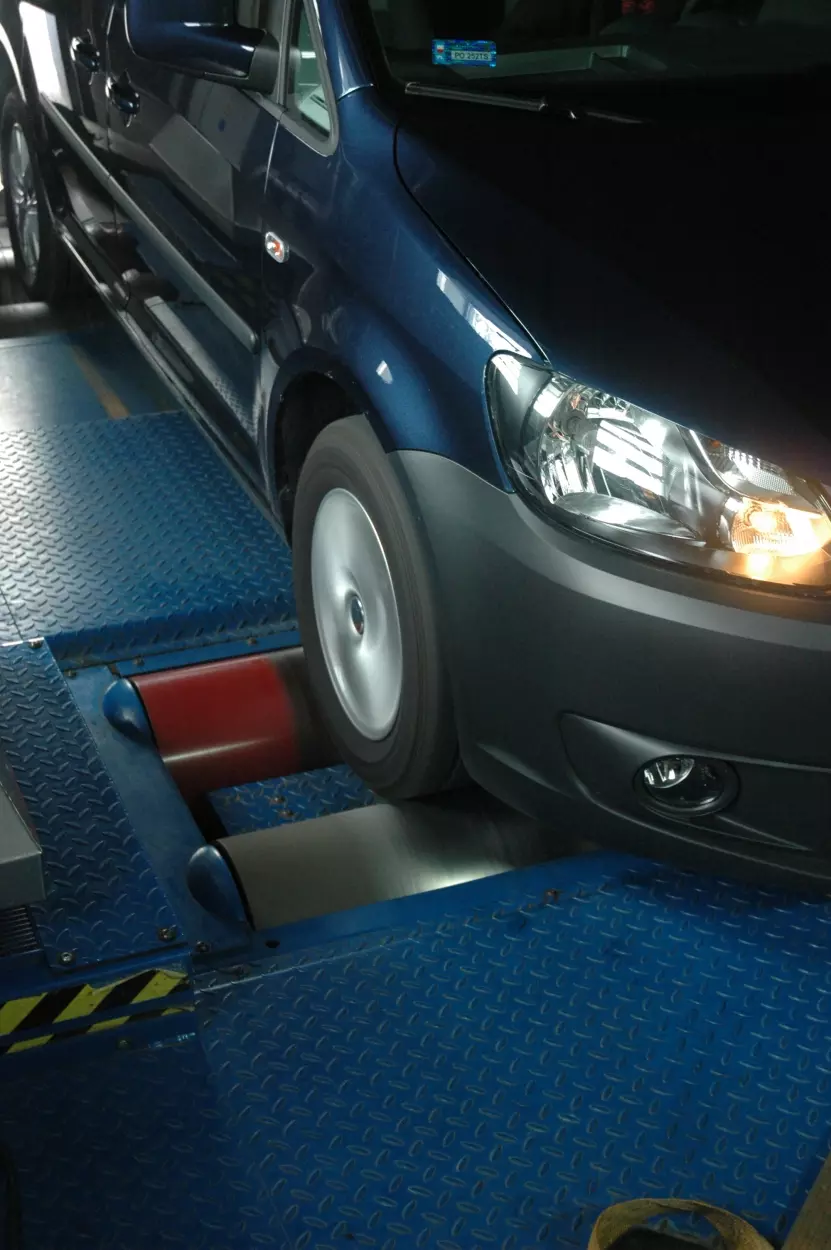 No surprises at the dyno - as in every car made by the VW Group, the Caddy's engine offers more power than promised by the producer. Still, it is not enough
 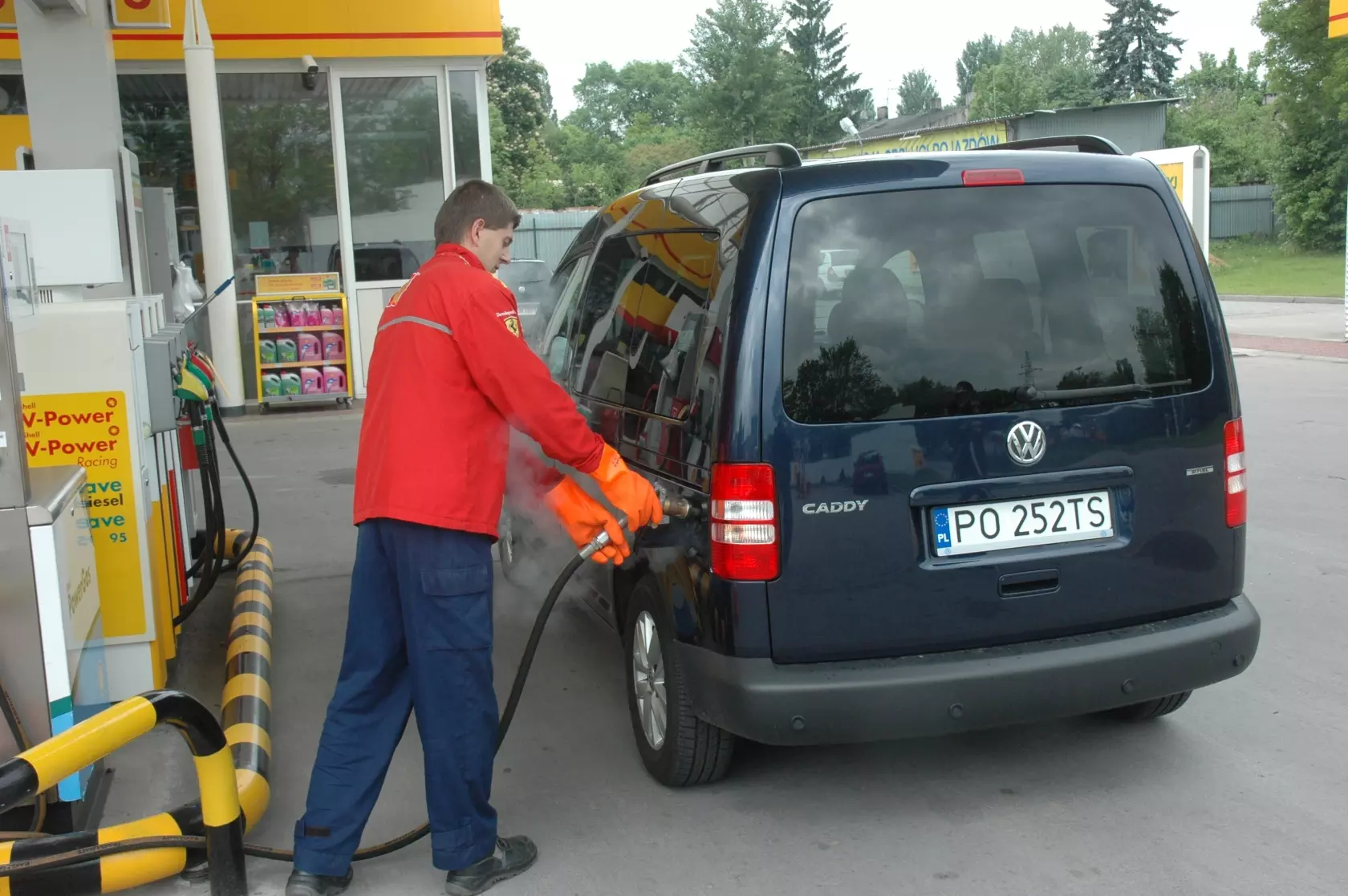 You will lose some fuel while uncoupling, but not to worry - you will save much more thanks to the low price of autogas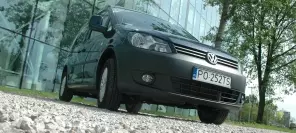




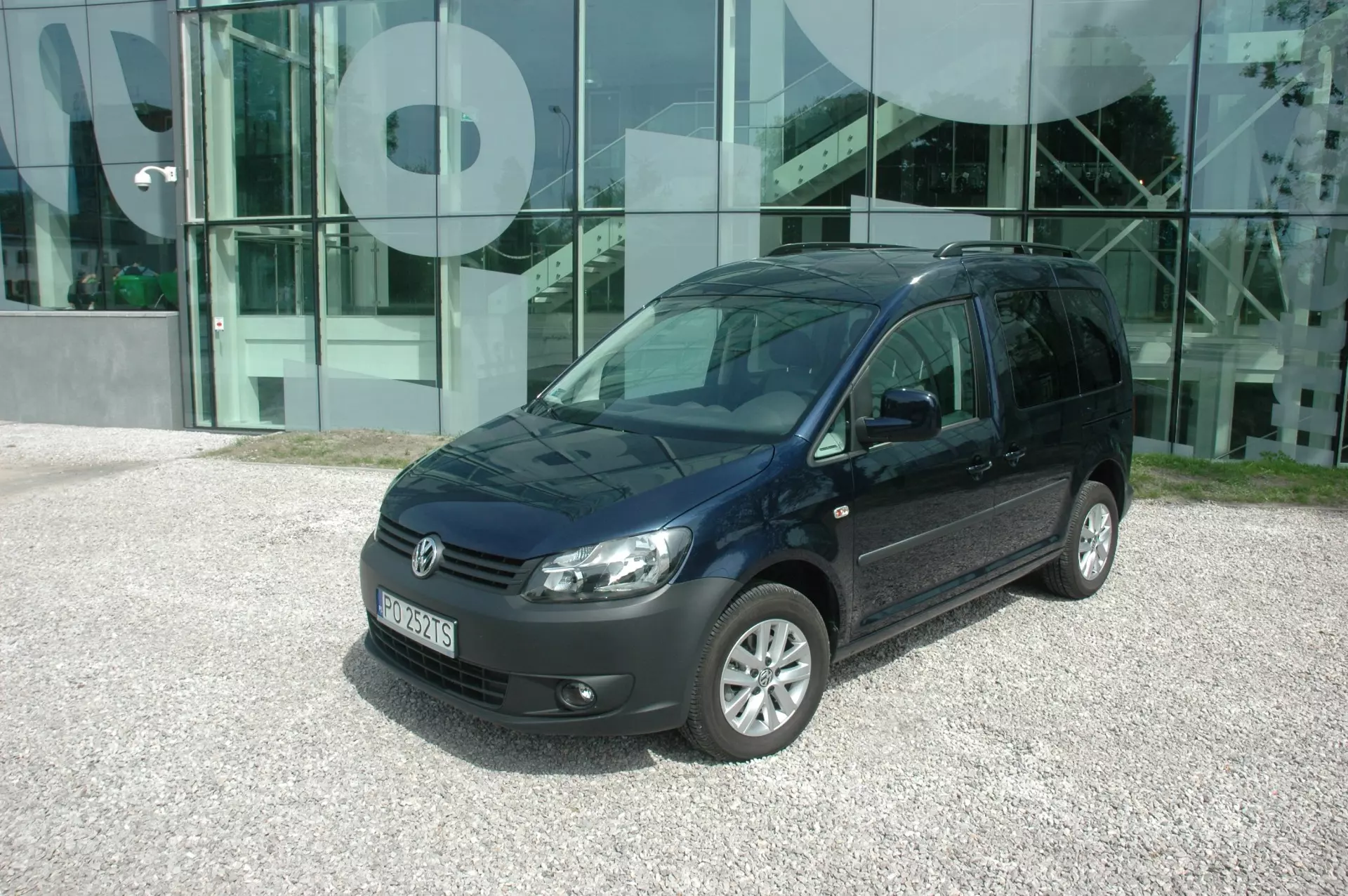 © gazeo.comForm follows function, but in this class nobody seeks refined design
The Caddy is a car conscious of its worth. Although historically it is a descendant of a small pickup and van, initially based on the first generation of the Golf and then the Polo/Skoda Felicia (it had two versions, closely related to the Seat Inca and the Skoda Pickup, respectively), today it is a market rival of such cars as Renault Kangoo and Ford Transit Connect, as well as Peugeot Partner/Citroën Berlingo and Fiat Doblo/Opel Combo twins. With prices starting from over 12800 euros (at current exchange rates) for the 1,2 TSI Startline version with just 85 PS of power, it is not exactly cheap, but thanks to its roomy interior and respectable build quality it has all the aces up its sleeve to beat the competitors. Buying a more powerful engine, an LPG system and some extras to enhance the car's functionality, comfort and safety means doubling the original price. Is it then worth it to invest in an autogas injection system? It may well be, albeit certain conditions need to be met.
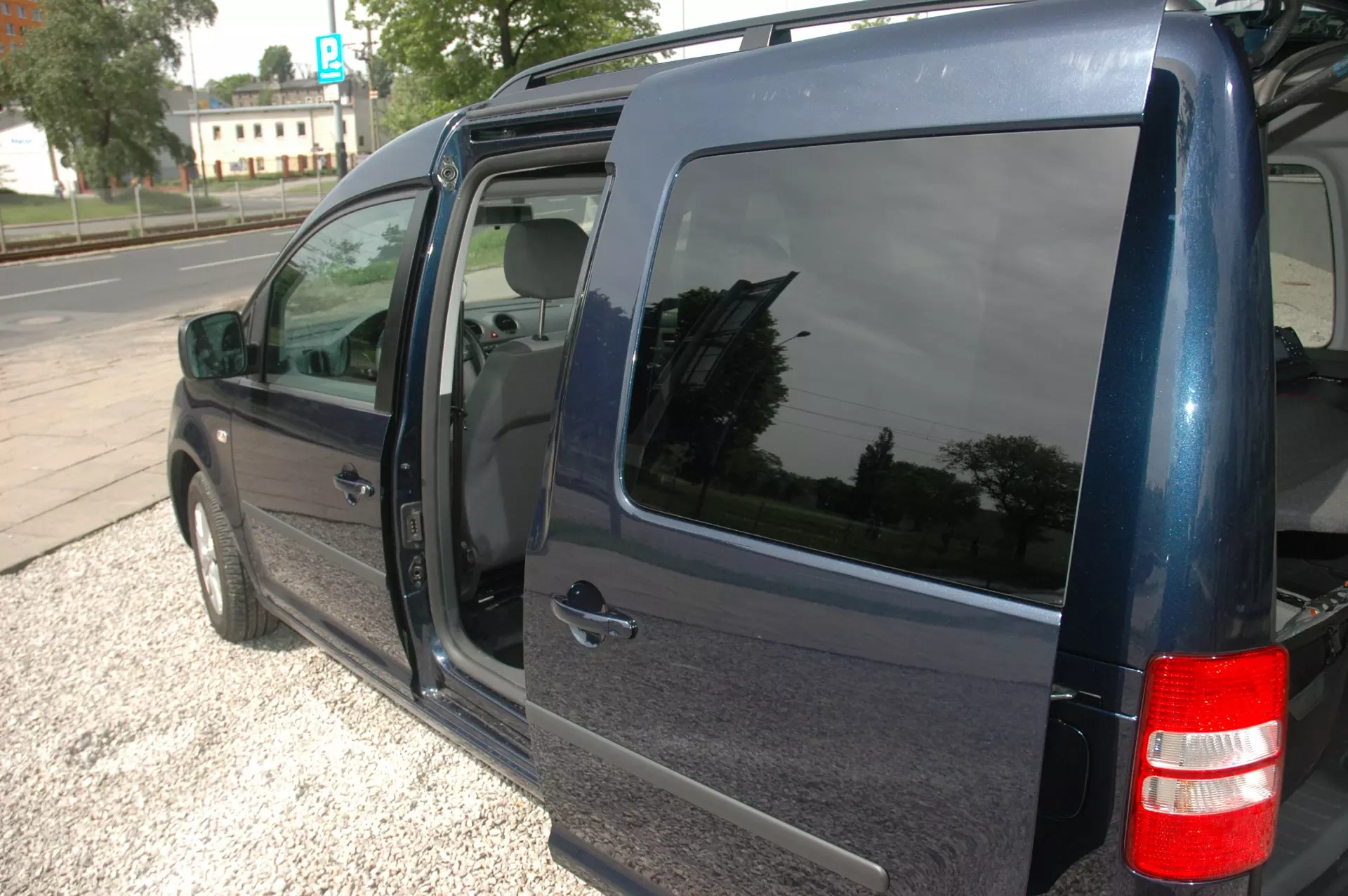 © gazeo.comSliding doors are great in terms of interior access, they also come in handy at cramped car parks
Let us kick off with a simple comparison of engine versions (all in Startline trim). The BiFuel variant is motivated by the legandary (or outdated, depending on your disposition) 1,6 MPI engine churning out 102 PS, designed sometime during the last Ice Age. When you look for comparable power output, the 104 PS version of the 1,2 TSI would be its modern counterpart on the petrol side, whereas on the diesel side you would have to go for the 102 PS 1,6 TDI-CR. The TSI has a price tag of 57836 zlotys (ca. 14040 euros), the diesel costs 63232 zlotys (15350 euros), the LPG model – 65227 zlotys (15831 euros). This price strategy is surprising to say the least, especially that over in Germany the BiFuel is cheaper than a comparable TDI. We will leave the detailed math until later, meanwhile let us have a close look at the car itself.
While a brief look at the price sheet may put you in a bad mood, scrutiny of the outcome of the conversion process and of the degree of integration of the LPG system into the Caddy is bound to cheer you up big time. We became accustomed to factory-converted cars that look as if they were fitted with autogas systems individually, in privately owned conversion garages, with their easily found and readily visible LPG components under the bonnet and a clearly retrofit, stylistically and sometimes even functionally misfit petrol-to-LPG switch (with an LED fuel level indicator, whose precision often leaves something to be desired) on the dashboard. Caddy BiFuel stands out in this respect, and in the positive sense. Looking for a separate autogas ECU in the engine bay is futile, for there is none! Well, in a way there is, obviously, but it is closed within the same casing as the engine's primary electronic controller. The only thing in plain view is the injector rail, composed of four loud, but precise and reliable MED injectors. After a while, you will also spot a cube-shaped reducer and then everything shall become clear – Caddys are converted with systems tailor-made and supplied by Landi Renzo.
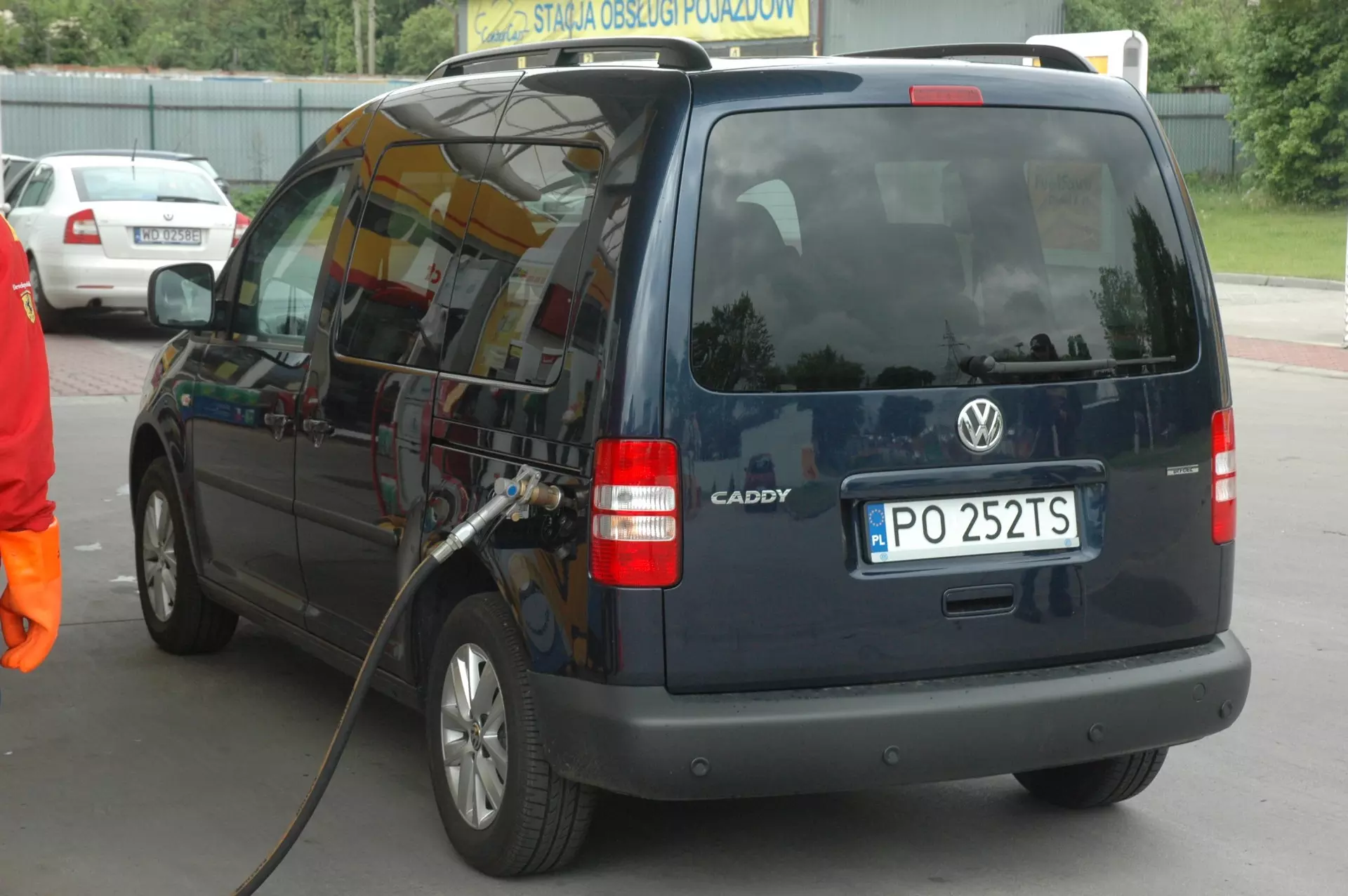 © gazeo.comIf only it had a double door instead of the huge tailgate
Let us assume (and we would probably be right in doing so) that the modern driver hardly ever looks under the bonnet and has no interest whatsoever in the autogas conversion technicalities. As the owner of a Caddy, he or she will, on the other hand, spend a lot of time behind the wheel, assessing the LPG system from that perspective. What will be the impression? It is bound to be excellent, for the fuel type switch and the LPG level indicator have been integrated into the cabin as early as during the design stage. The autogas level gauge is now composed into the rev counter (where it replaced the coolant temperature indicator) and there is a GAS button (for switching the autogas system on and off) next to the ESP button, in front of the gear shift lever. Furthermore, the trip computer has a complete LPG menu, showing available range, alarming of fuel running out and autogas consumption (current and average). When the switchover process is in progress (from petrol to LPG or vice versa), appropriate information appears on the display, too.
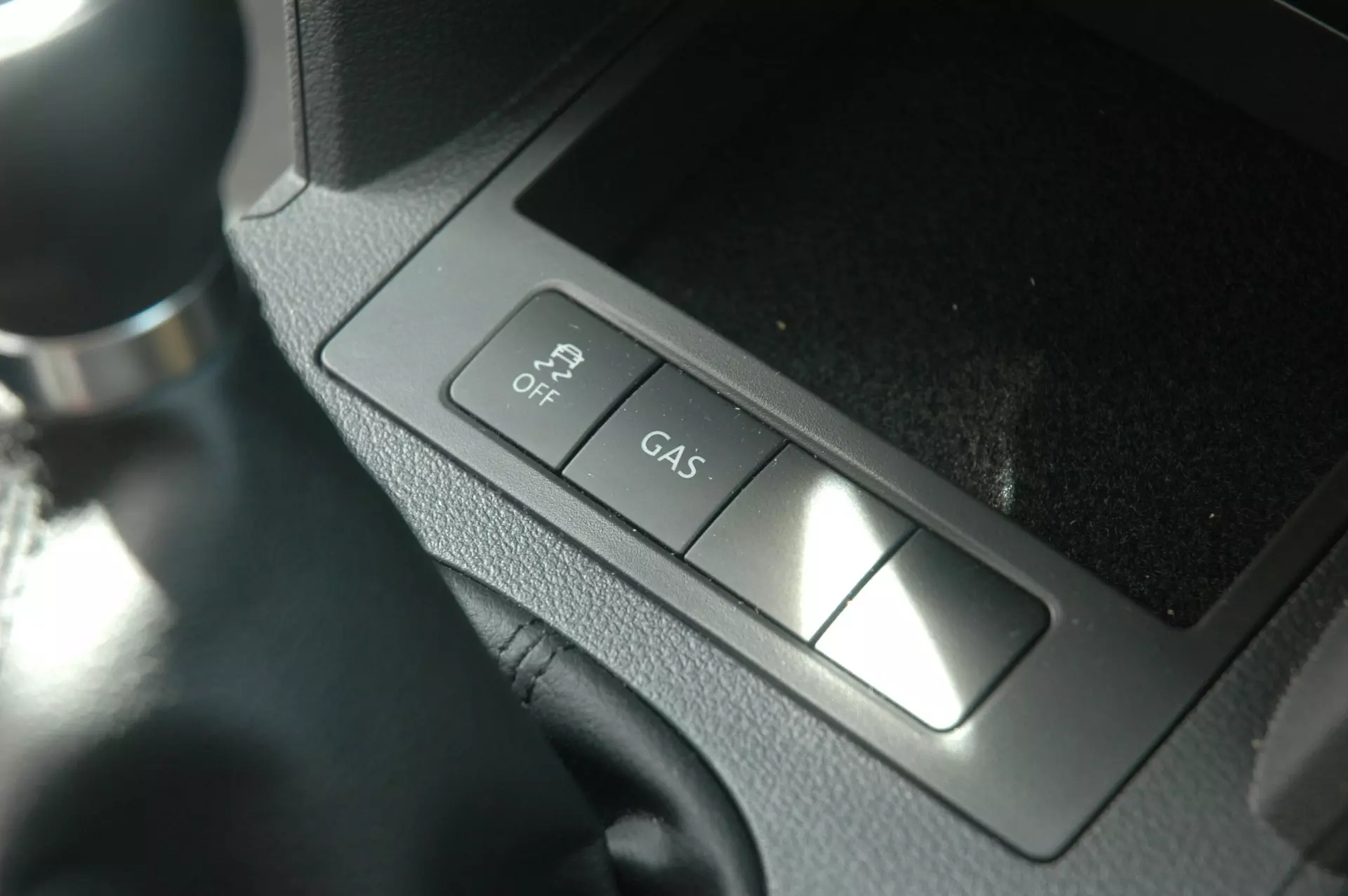 © gazeo.comThis might not be the most convenient place ever, but then how often do you use the GAS switch?
A layman put behind the steering wheel of the autogas-powered Caddy could even fail notice what kind of car this is (or rather, what it is fueled with). Let alone put behind the wheel – even by looking at the car from the outside it is initially difficult to determine what fuel it uses. The spare wheel, replaced in the test vehicle (as in any other BiFuel Caddy) with a toroidal LPG tank, is placed under the chassis anyway, so even looking into the boot and seeking a wheel well will come to naught. So will the effort to find a filler valve in the bumper or wing – it has been placed under the petrol filler flap. Only if you come across a filling adapter in the air conditioned glove compartment in front of the passenger's seat will you be given a clue that this Caddy is on a diet. All this does not mean the autogas system has been concealed from view – it is just that it makes an impression of being designed from the ground up as an LPG-powered vehicle. To our minds, all factory conversions should look like this!
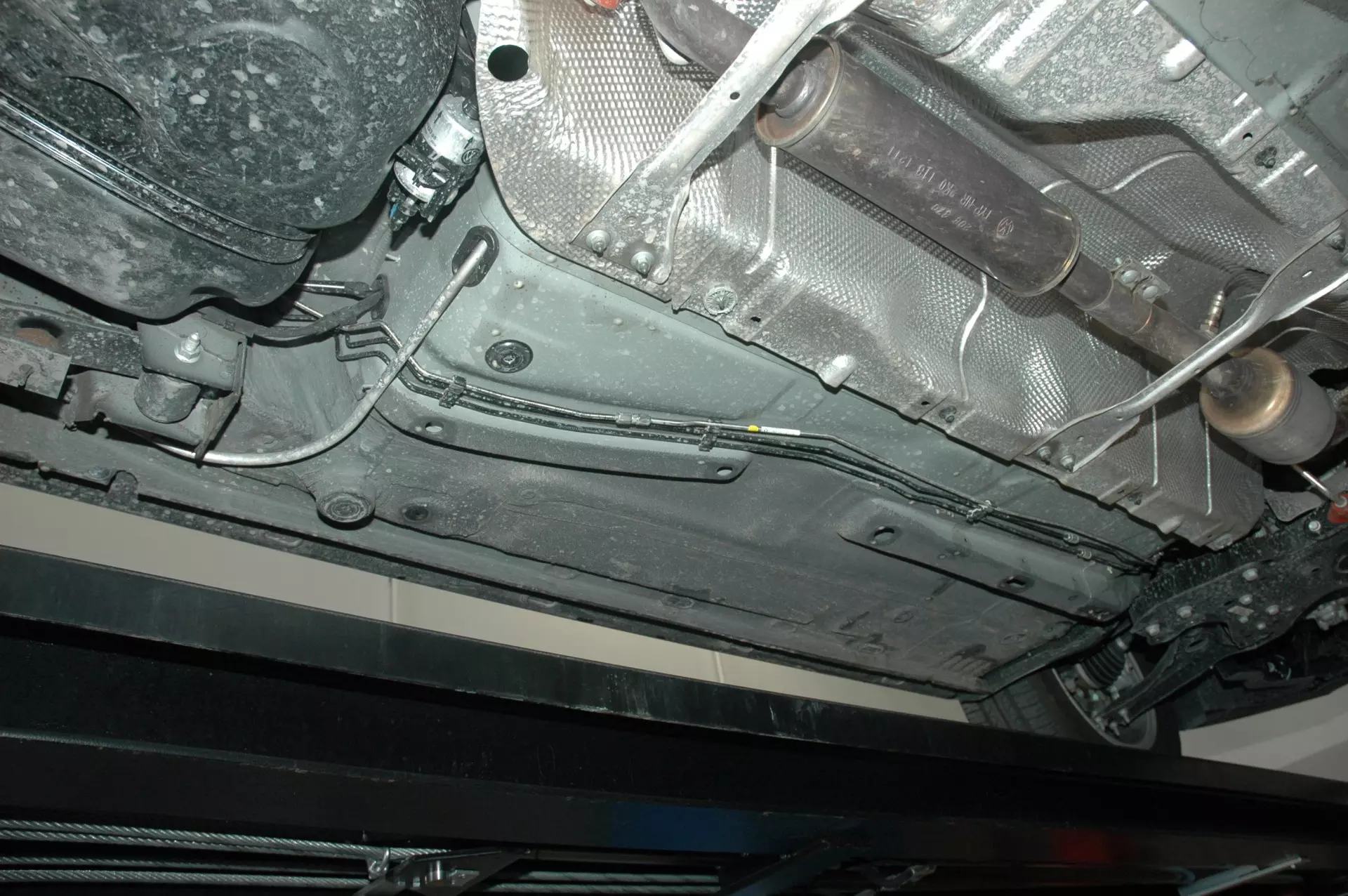 © gazeo.comGerman "ordnung" in practice - LPG fuel lines are made of steel
Make sure you also notice the autogas fuel lines under the car if you get the chance. Why? Because the lines leading from the fittings on the tank (four separate valves instead of a multivalve) towards the reducer inside the engine bay have been made not of copper or plastic, but... steel! That is what you call German solid! Maybe Volkswagen aimed to utilise experience gained from the CNG-powered EcoFuel version, maybe the manufacturer is just being precautious. Art for art's sake? Regardless of its quality, steel will ultimately turn into iron oxide, whereas copper is rigid and rustproof. Even if it oxidises, it is covered with green tarnish, effectively cutting off air access and protecting fuel lines from corrosion.
As for the tank, the Caddy has a full toroidal LPG container, fixed to the underbody with solid, rigid external brackets. It holds 44 l of autogas. The spare wheel has been removed entirely (as in the 4MOTION version, where elements of the rear axle drive mechanism take up the space of the emergency wheel) and replaced with a tyre saver kit. It will not help you in all road distress situations, but at least you have all the boot space available and functional all the time. And that space sure is impressive – the trunk is huge even when all the seats inside are taken, but if you remove the rear bench, the Caddy will probably suffice as a furniture or white goods transporting device during a removal.
Zobacz stronę producenta:
LandiRenzo
 loading results...